
Perfume Samples for Sensitive Skin: A Testing Guide
Quick Summary
Perfume samples let sensitive skin test a fragrance before buying a full bottle, but a sample cannot prove a product is safe for every skin type. Patch test a small dab on the inner forearm first, and check it at 15 minutes, 24 hours and 48 hours.
- Use one small dab, about a match head, on the inner forearm two to three centimetres above the wrist.
- Check the patch at 15 minutes, 24 hours and 48 hours, noting results rather than relying on memory.
- Test one sample at a time, leaving at least a week between samples if your skin is highly reactive.
- Irritation appears within minutes and fades once washed off; allergic reactions can take one to two days to appear.
- Avoid testing on broken, freshly shaved or eczema-affected skin, as this produces false positives.
Table of Contents
- What Sensitive Skin Means for Fragrance Use
- Perfume Ingredients That Cause Irritation and What to Look For
- How to Patch Test Perfume Before Wearing It
- Perfume Allergy Symptoms and How They Differ from Irritation
- Choosing Between Perfume Oil Samples and Alcohol-Based Samples
- A Sample-by-Sample Testing Schedule and Comparison Tracker
- Booking Your Next Decant Sample
- Frequently Asked Questions
What Sensitive Skin Means for Fragrance Use
Sensitive skin reacts more readily to the ingredients in perfume than normal skin does, and that reaction can show up as redness, itching, stinging or a rash. Research led by C. C.
The reaction is not always caused by the fragrance molecules alone. A second study by E. Hadjiefstathiou's team looked at how skin type and the chemical properties of fragrance molecules together shape how people respond Hadjiefstathiou study on fragrance molecules and skin variation.
That is why a perfume sample is so useful here. It lets you test a fragrance on your own skin before you commit to a full bottle. Keep your expectations realistic, though: a sample can tell you how a scent behaves on you, but it cannot prove a product is safe for every sensitive skin type.
Perfume Ingredients That Cause Irritation and What to Look For
Most irritation comes from a short list of familiar fragrance ingredients rather than from perfume as a whole. Alcohol can dry the skin and sting, while certain aromatic compounds are known to provoke allergic reactions in some people. Knowing these names helps you judge a sample before you put it on.
Start with the simple checks:
- Alcohol content: Alcohol-based sprays feel cooling but can sting broken or reactive skin.
- Fragrance allergens: Many products list specific allergens by name, so check the ingredient list for them.
- Essential oils: Concentrated natural oils can irritate skin just as synthetic ingredients do.
Reading Ingredient Lists and Fragrance Allergen Disclosures
Ingredient labels list the word "fragrance" or "parfum" as a single entry, which hides the individual compounds. Look for a separate allergen disclosure or a full list of ingredients on the brand's site or the product packaging. When a product names allergens, you can compare them against any reactions you have had before.
If you have had a reaction previously, keep a note of the ingredients you reacted to. A written note turns vague memories into a checklist you can use with every new sample.
How to Patch Test Perfume Before Wearing It
A patch test is the simplest way to check a fragrance before wearing it on a larger area, but the version most people run with perfume samples is too short to be useful. A reaction can take a day or two to appear, so checking after a few minutes tells you very little. The protocol below is designed for samples specifically, where you have a small volume and need to make it last across several checks.
Where to apply a sample
Use the inner forearm, roughly two to three centimetres above the wrist crease, as your standard site. It is easy to see, easy to keep uncovered and far enough from the face that a reaction will not affect your appearance. Behind the ear is a common alternative, but it is harder to photograph and easier to disturb with hair or clothing. Pick one site and keep it consistent across samples so that reactions are comparable.
How much to use
Use one small dab, about the size of a match head, from a vial or dabber. From an atomiser, one short press is enough. More product does not give a better result; it simply makes a mild sting harder to distinguish from a genuine reaction. If your sample is a 2ml vial, this dose lets you run several patch tests and still have enough left for a full wear test.
The testing schedule
- Clean the site with unperfumed soap and water and let it dry completely for at least ten minutes.
- Apply the single dab and do not rub it in.
- Leave the area uncovered and avoid washing or scrubbing it for the first 24 hours.
- Check at 15 minutes, at 24 hours and at 48 hours. Note what you see at each point rather than relying on memory.
- If all three checks are clear, repeat the same dose on the same site and leave it for a further 48 hours before moving to a full wear test.
Watch out: testing on broken, freshly shaved or eczema-affected skin will produce a false positive, because compromised skin reacts to almost anything. Wait until the area has been calm for several days.
When to stop
Stop the test and wash the area with lukewarm water if you see spreading redness, raised bumps, blistering or swelling at any check. Do not apply a second dose to "confirm" a reaction. A single clear reaction is enough information, and repeating the exposure can make the next reaction stronger.
One sample at a time
A common mistake is testing several new scents on the same patch of skin at once. If a reaction appears, you will not know which one caused it. Test one sample at a time, and leave at least a week between samples if your skin is highly reactive. If you want to compare two scents, use two separate sites on opposite arms and log them separately.
Perfume Allergy Symptoms and How They Differ from Irritation
Irritation and allergy can look similar, but they behave differently. Irritation usually appears quickly, often within minutes, and tends to fade once the product is washed off. Allergic contact dermatitis is an immune response that can take one to two days to develop and may persist for longer.
Watch for these signs after applying a fragrance:
- Irritation: Stinging, burning or redness that appears soon after application and settles once washed off.
- Allergic reaction: Itchy red patches, small bumps or blisters that appear hours or days later and spread beyond the application site.
- Scent-triggered headaches: Head pain or nausea that starts while wearing a strong scent. This is a sensitivity reaction, not skin contact dermatitis, and it can happen even when the skin looks fine.
If you develop a rash that spreads, blisters, or does not clear up, speak to a GP or pharmacist. The NHS advises seeking medical advice for persistent or worsening skin reactions NHS guidance on skin rashes and when to see a GP.
Choosing Between Perfume Oil Samples and Alcohol-Based Samples
Perfume oils and alcohol-based samples behave differently on sensitive skin. Alcohol-based sprays evaporate quickly, which can make them feel drying or cooling and can sting if your skin is reactive.
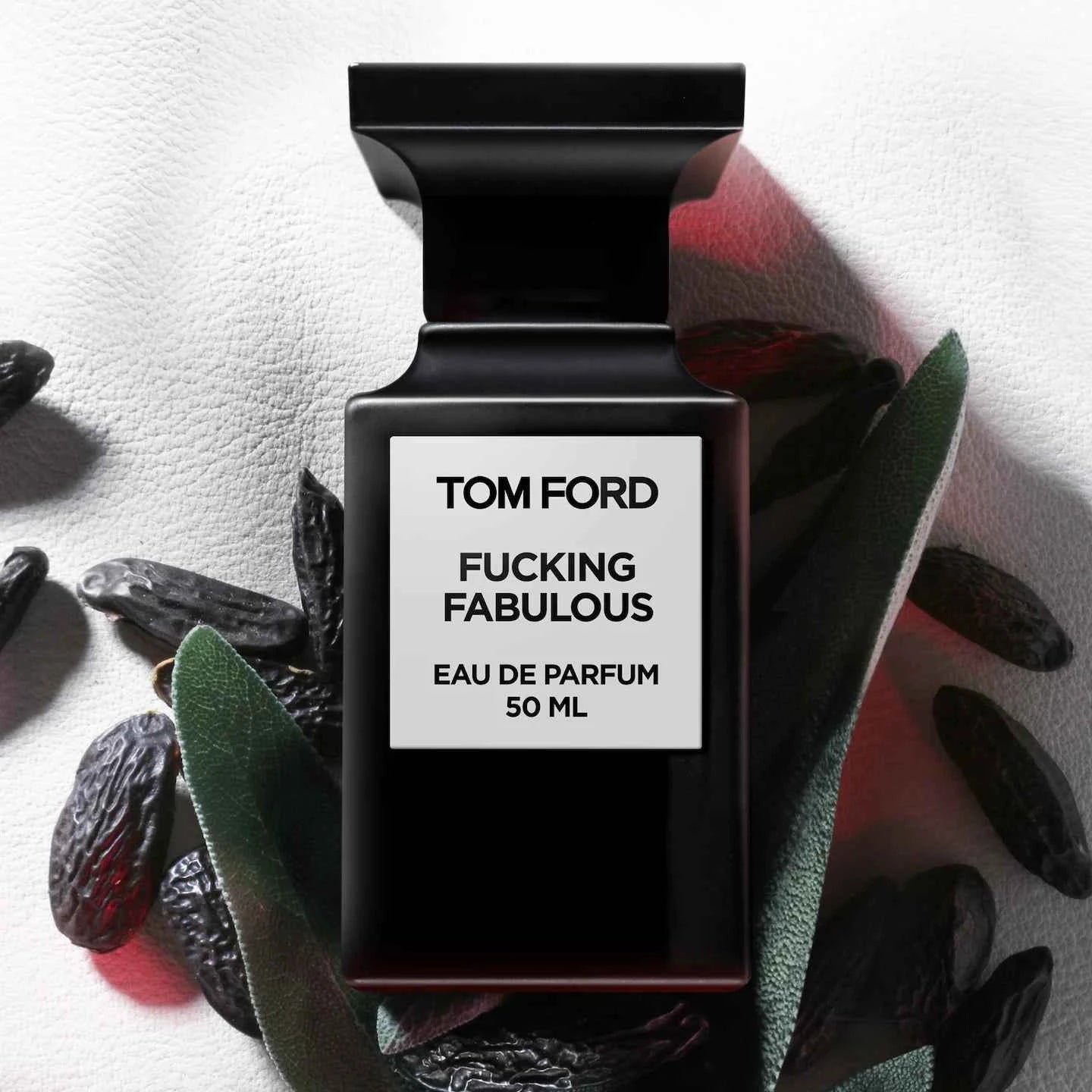
Neither format is automatically safer. If you have a history of stinging with alcohol, an oil sample may be easier to tolerate. If oils have caused you problems before, an alcohol-based spray may be the better option. Whichever you choose, patch test it first.
Sample size also matters. A small atomiser lets you try a scent over several days without committing to a full bottle, and a 10ml size gives you enough to test on different days and occasions, which is useful when you are tracking reactions.
A Sample-by-Sample Testing Schedule and Comparison Tracker
A clear schedule stops you from testing too many scents at once, and a structured tracker turns scattered impressions into a shortlist you can act on. The version below is built for samples, where you are judging both tolerability and whether you actually like the scent.
The schedule
Test one sample per week if your skin is reactive, or one every three to four days if it is not. Each sample gets a patch test first, then a full wear test only if the patch test is clear. Do not start a new sample until the previous one has passed its 48-hour check, otherwise a delayed reaction will be attributed to the wrong product.
The tracker fields
Use a spreadsheet or a printed sheet with these columns:
| Field | What to record |
|---|---|
| Sample name and house | The exact name, plus the batch or decant date if shown |
| Format and size | Vial, dabber, atomiser or discovery set; 2ml, 5ml or 10ml |
| Listed allergens | Any named fragrance allergens on the packaging or brand site |
| Application site and dose | Forearm or behind ear; one dab or one press |
| Patch check 15 min / 24 h / 48 h | Clear, mild sting, redness, bumps or blistering |
| Full wear result | Where applied, how long worn, any reaction |
| Scent family and notes | Citrus, floral, woody, amber, chypre or fougère; top, heart and base notes |
| Preference score | Rate 1 to 5 for like, and note longevity in hours |
| Decision | Repeat, buy a larger decant, or discard |
How to read the results
Patterns usually emerge after four to six samples. If reactions cluster around samples that list the same allergen, that ingredient is the likely culprit and you can screen future samples by checking the label first. If reactions appear only with alcohol-based sprays and not with oils, format is the variable rather than the scent. If every sample stings mildly for a few seconds, that is more likely a response to alcohol or to applying to dry skin than to any single fragrance.
On the preference side, record longevity separately from likeability. A scent you love that fades in two hours is a different purchase decision from one that lasts all day but sits heavily on the skin. Noting both stops you from discarding a scent you like simply because it performed poorly in one format.
Watch out: a sample that smelt fine in the vial can turn sharp or powdery on skin within 30 minutes. Judge the scent at the two-hour mark as well as on first application, and record both, because the dry-down is what you will actually wear.
Booking Your Next Decant Sample
Once you know which scents and formats your skin tolerates, you can plan your next purchase with confidence. Our book a decant sample option lets you try a niche or designer scent in a small atomiser before you commit to a full bottle. Sizes available include 3ml, 5ml and 10ml.
If you are still deciding between formats, read why perfume smells different on your skin before you order, since your skin chemistry changes how a scent develops.
Ready to test your next fragrance safely? Browse our UK perfume decants and find a scent that suits your skin.
Frequently Asked Questions
How do you test perfume if you have sensitive skin?
Start with a small amount on the inner forearm or behind the ear, using a single sample rather than several at once. Wait at least 48 hours and watch for redness, itching, raised bumps or a burning sensation before wearing the scent more widely. Keep a short note of the date, the test area and how your skin looked at intervals, so you can compare scents without relying on memory. Avoid testing new fragrances on broken or freshly shaved skin, and stop immediately if a reaction develops.
Can perfume samples cause skin irritation?
Yes. A sample can trigger irritation or an allergic reaction just as a full bottle can. Samples are useful for assessing how a scent smells and wears, but a sample does not show that a fragrance is safe for your skin. Patch testing a sample first gives you a low-risk way to check your own tolerance before committing to a larger size.
Is perfume oil better than alcohol-based perfume for sensitive skin?
Not necessarily. Alcohol-based perfumes can feel drying for some people, while oil-based formulas can sit heavily on the skin and may suit some sensitivities better. Neither format is automatically gentler. The fragrance compounds themselves are usually the main source of reactions, so the ingredient list and your own patch test matter more than the carrier alone. Try both formats in small samples and compare how your skin responds.
Are hypoallergenic perfumes safe for sensitive skin?
The term hypoallergenic is not a guarantee that a fragrance will be safe for you. Brands use it in different ways. Check the full ingredient list, look for disclosed fragrance allergens, and patch test any scent you are considering, even one marketed as gentle. A reaction-free result on your own skin is more reliable than any label.
