

How to Layer Niche Perfume Scents at Home
Last Updated: November 11, 2026
Quick Summary
To layer niche perfume, choose a heavier base scent such as vanilla, amber or woods, then add a lighter top scent such as citrus or floral. Apply the base first, wait a few minutes, and use one or two sprays per layer before smelling the blend.
- Pick a heavier, longer-lasting base such as vanilla, amber or woods.
- Add a lighter, brighter top scent such as citrus, fresh or floral.
- Wait a few minutes between layers so each scent can settle.
- Use one or two sprays per layer and smell the blend before adding more.
- Test on blotter paper first, then on skin, logging how it changes over the day.
Table of Contents
- What Perfume Layering Is and Why It Works
- Choosing Fragrances That Work Well Together
- Picking the Best Perfumes to Layer: A Base and Top Scent Framework
- Preparing Your Skin: Body Lotion and Moisturiser Before You Spray
- How Long to Wait Between Perfume Layers
- Testing a Combination Safely, Including Skin Chemistry and Sillage
- Building Your First Layered Signature from a Decant Set
- Frequently Asked Questions
What Perfume Layering Is and Why It Works
Perfume layering is the practice of wearing two or more fragrances together so they blend into one scent that is uniquely yours, and it is one of the simplest ways to explore layering niche perfume combinations. At perfume decanted, we think layering is one of the most rewarding ways to get more out of niche perfumes without buying full bottles.
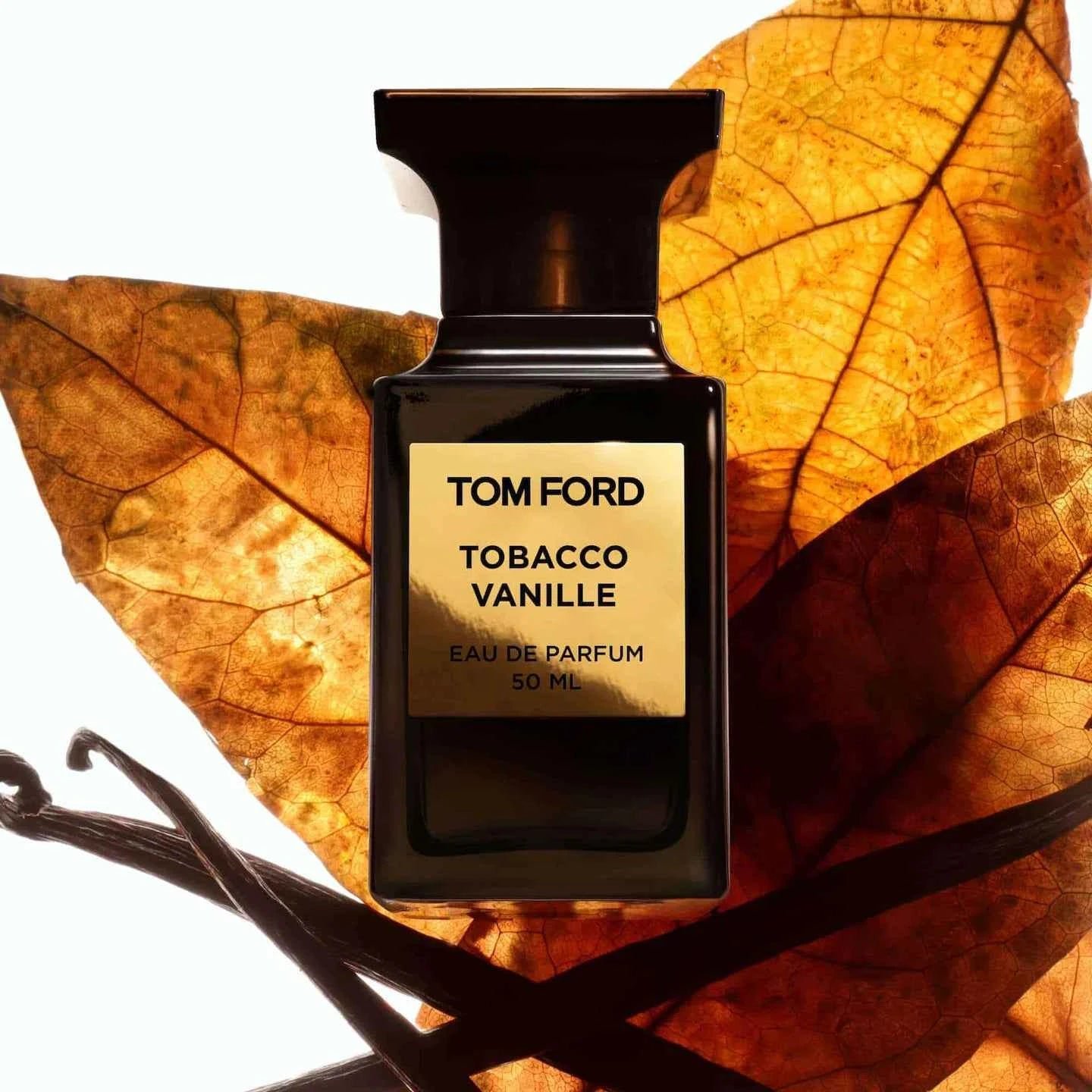
The idea is simple. Each fragrance brings its own notes, and when you combine them, a heavier base can ground a lighter top note, or a sweet note can soften something sharp.
Layering is also a practical way to stretch a small wardrobe. Instead of owning several full bottles, you can build a range of signatures from a handful of samples. Niche fragrance houses are increasingly popular with enthusiasts who enjoy this kind of experimentation, and the trend has grown steadily into 2026 according to Forbes coverage of 2026 luxury fragrance trends.
- Layering can create a blend you would not find in a single bottle
- It lets you test combinations for a fraction of the cost
- It helps you learn which notes you truly enjoy
Choosing Fragrances That Work Well Together
Compatibility in niche perfume depends on more than matching note families. Concentration, projection and structure all shape how two scents interact on the skin, and checking these three before you combine bottles saves a lot of wasted samples.
Concentration affects how much of each fragrance you smell. An eau de parfum or extrait will often stand out more than a lighter eau de toilette or cologne, so when you pair them, the stronger fragrance may lead.
Projection, the distance a scent travels, is the second factor. A loud, diffusive fragrance placed over a close-skinned one can flood the blend, while two quiet scents may disappear entirely. Pairing a projecting scent with a more intimate one usually gives a balanced result, with the intimate fragrance adding texture close to the skin.
Structure describes how a scent is built over time: its opening, heart and dry-down. Scents with a clear, linear development can be layered with one that opens in a different place, so one supplies brightness while the other carries the middle and base. Scents that are structurally similar, with the same dominant note developing in the same order, tend to blend into a single amplified version of themselves.
For practical pairings, these patterns hold across many niche collections:
- Woods with citrus: a dry, smoky wood base with a bright bergamot or grapefruit top gives lift without losing depth.
- Resins with florals: an incense or labdanum base with a white floral heart creates a softer, more luminous effect.
- Musk with gourmand: a clean skin musk under a vanilla or tonka scent adds warmth and softness without heaviness.
- Florals with green notes: a rose or jasmine base with a green fig or galbanum top adds a crisp edge.
- Citrus with citrus: two bright scents can intensify each other into something sharp.
Across all these, the scent that leads is usually the one with the greater concentration or the richer base. Start with one spray of the leading scent, then add one spray of the accent, and adjust from there.
Picking the Best Perfumes to Layer: A Base and Top Scent Framework
The easiest framework is to choose a base and a top scent. The base is the heavier, longer-lasting fragrance that sits underneath. The top scent is lighter and more volatile, so it opens brightly and fades first.
Good base candidates often include woody, amber or vanilla scents. Top scents are usually citrus, fresh or floral, and they add lift and personality.
Our Jo Malone Vanilla Scotch Cologne Perfume Sample is a good example of a warm base: its vanilla, amber and Scotch accord give a cosy foundation that other scents can build on. You can browse the Jo Malone Vanilla Scotch sample to see its notes and size options. For a sweeter layer, the Phlur Heavy Cream EDP Perfume Sample pairs a sparkling lemon top with a creamy musk base, so it can sit on top of a richer scent or stand alone.
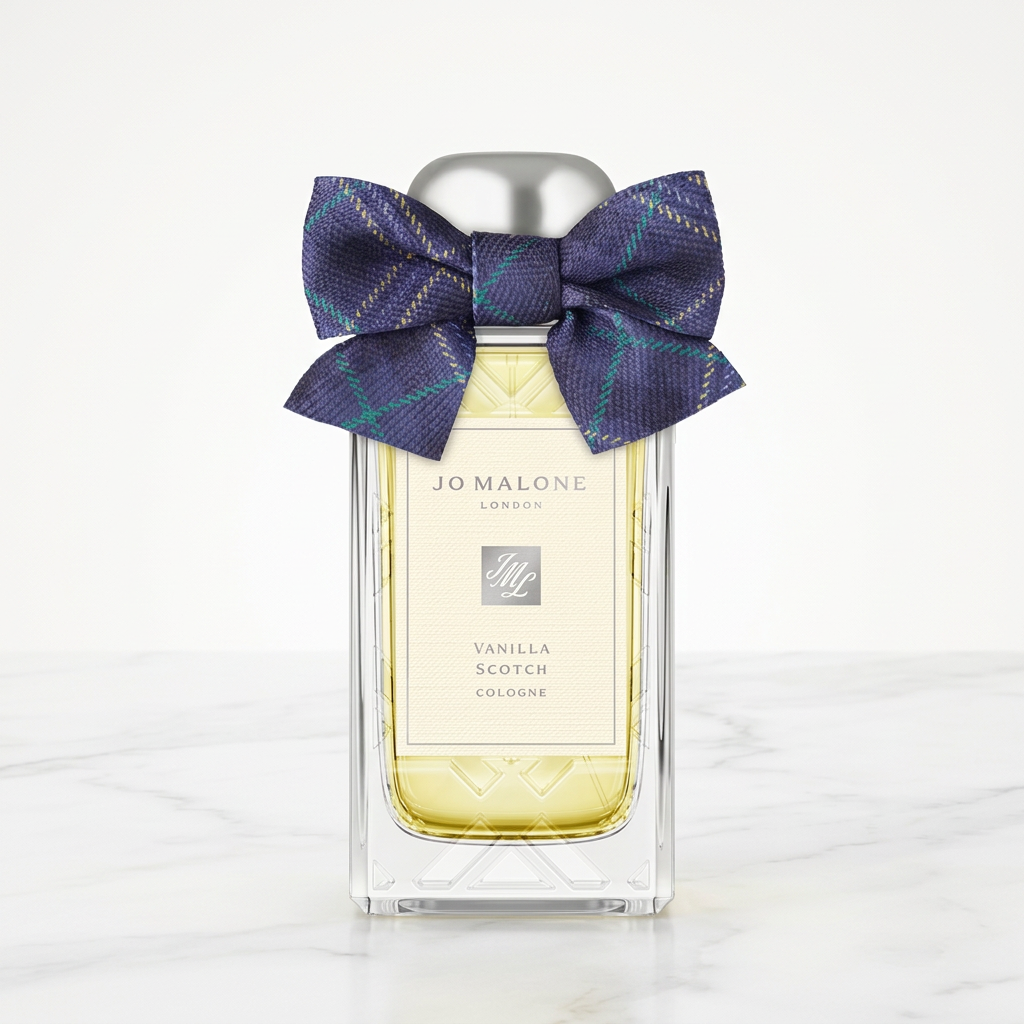
- Base: heavier, warm, longer lasting (vanilla, amber, woods)
- Top: lighter, brighter, shorter lasting (citrus, fresh, floral)
- Balance: keep the base as the anchor, the top as the accent
Preparing Your Skin: Body Lotion and Moisturiser Before You Spray
Many people apply an unscented body lotion or moisturiser before spraying, as it is a common personal routine.
Apply a thin layer to your pulse points, such as the wrists, the inner elbows and the base of the neck. Let it absorb for a minute or two before you spray. This gives your layers a smooth surface to sit on.
Unscented lotion is the safest choice here. A heavily scented lotion will add its own fragrance and make the final blend harder to judge.
How Long to Wait Between Perfume Layers
Give each layer time to settle before you add the next. Many enthusiasts wait a few minutes before applying a second fragrance.
If you spray both within seconds, the notes can blur into a muddled smell. Waiting lets you judge each scent on its own before you decide how the blend works.
Use a light hand. One or two sprays per layer is usually enough, and you can always add more after you have smelled the result.
- Wait a few minutes between layers
- Spray lightly and smell the blend before adding more
- Let the base settle first, then add the lighter top scent
Testing a Combination Safely, Including Skin Chemistry and Sillage
Testing a layered blend well takes more structure than spraying two samples and hoping for the best. Our guide to testing niche perfume at home walks through the same method step by step. A repeatable method lets you judge a pairing on paper, on skin and over time, and it tells you what to change when something goes wrong.
Start on paper. Spray each fragrance on a separate blotter strip, then fan the two strips together and smell them at arm's length, then close. Blotters can show you the top notes and the initial clash or harmony before your skin's chemistry comes into play.
Then test on skin, one pairing at a time. Use the inner forearm or a pulse point, and apply the base first, wait a few minutes, then add the top. Record what you smell at fifteen minutes, one hour, three hours and at the end of the day. Heat and humidity can change how quickly the top notes lift, so a blend may feel different on a cool morning than in a warm office or on a humid evening out. Read why perfume smells different on your skin to understand how your skin chemistry shapes what you smell. Note these differences in your log, because they explain why the same pairing performs differently for different people and in different settings.
When a blend goes wrong, the fault is usually one of three things. If a blend turns too sweet, you might reduce the richest scent or add a fresher top layer. If it turns sharp, try fewer sprays on the brighter fragrance. If it becomes overpowering, cut back to one spray per layer and test again at a different time of day.
Sillage matters as much as the scent itself. You can check how far the blend projects by asking a colleague or friend when they first notice it, or by smelling your sleeve after an hour.
Watch out: patch test any new combination on a small area before wearing it widely, particularly if you have sensitive skin, and wash the area with water and stop wearing the blend if irritation appears. Our perfume samples for sensitive skin testing guide explains how to approach this safely.
The article sets out a few checks worth running on any layered blend, as well as the usual fixes when a pairing goes wrong.
| Check | When | What to look for |
|---|---|---|
| Blotter test | Before skin | Initial clash or harmony |
| Skin test | One pairing at a time | Base first, top after a wait |
| Log readings | Over the day | Feel at each point, noted |
| Too sweet | Blend result | Reduce the richest scent |
| Too sharp | Blend result | Fewer sprays on the brighter fragrance |
| Overpowering | Blend result | Cut back to one spray per layer |
| Patch test | Before wearing widely | Stop if irritation appears |
Building Your First Layered Signature from a Decant Set
A decant set is a practical way to start. Pick one warm base and two or three lighter top scents, then try each top scent over the base across several days.
Keep a simple note of what you tried and how it lasted. If you are unsure which scents to keep, our practical guide to finding your signature scent can help you narrow the choices. Over time, you will see which pairings you return to, and that becomes your signature. Many people settle on two or three favourite blends rather than one.
Once you find a combination you love, try the Guerlain Vanille Planifolia Extrait 21 Perfume Sample if you want a richer vanilla base to build from.
Ready to start experimenting? Browse our UK perfume decants and build your first layered signature without buying a full bottle. Our small atomisers let you test blends for less, with free delivery on orders over £20 and fast UK delivery.
Frequently Asked Questions
How do you layering niche perfumes?
Start with a richer, longer-lasting base such as an amber, vanilla or woody scent, then add a lighter, more volatile fragrance on top. Spray the base first on pulse points, wait a few minutes for it to settle, then apply the second scent sparingly. Test the pairing on one wrist for a full day before wearing it out, because the combination can smell different on each person's skin.
Which perfume should you apply first when layering?
Apply the heavier, denser fragrance first. Rich scents with vanilla, sandalwood, leather or amber notes tend to anchor the mix and slow its dry-down. Lighter citrus or floral scents go on second so they lift the base rather than being swallowed by it.
How long should you wait between perfume layers?
Wait a few minutes between layers, long enough for the first scent to settle on the skin and for the alcohol to flash off. Applying the second scent too quickly can blur both notes together. If you are layering a body lotion, let it absorb fully before adding perfume so the fragrance sits on the skin rather than the lotion's surface.
Can you layer perfume with body lotion, and does it help?
Yes. Many people apply an unscented or lightly scented body lotion before perfume. Use a neutral lotion so it does not compete with the scents you are layering.
